

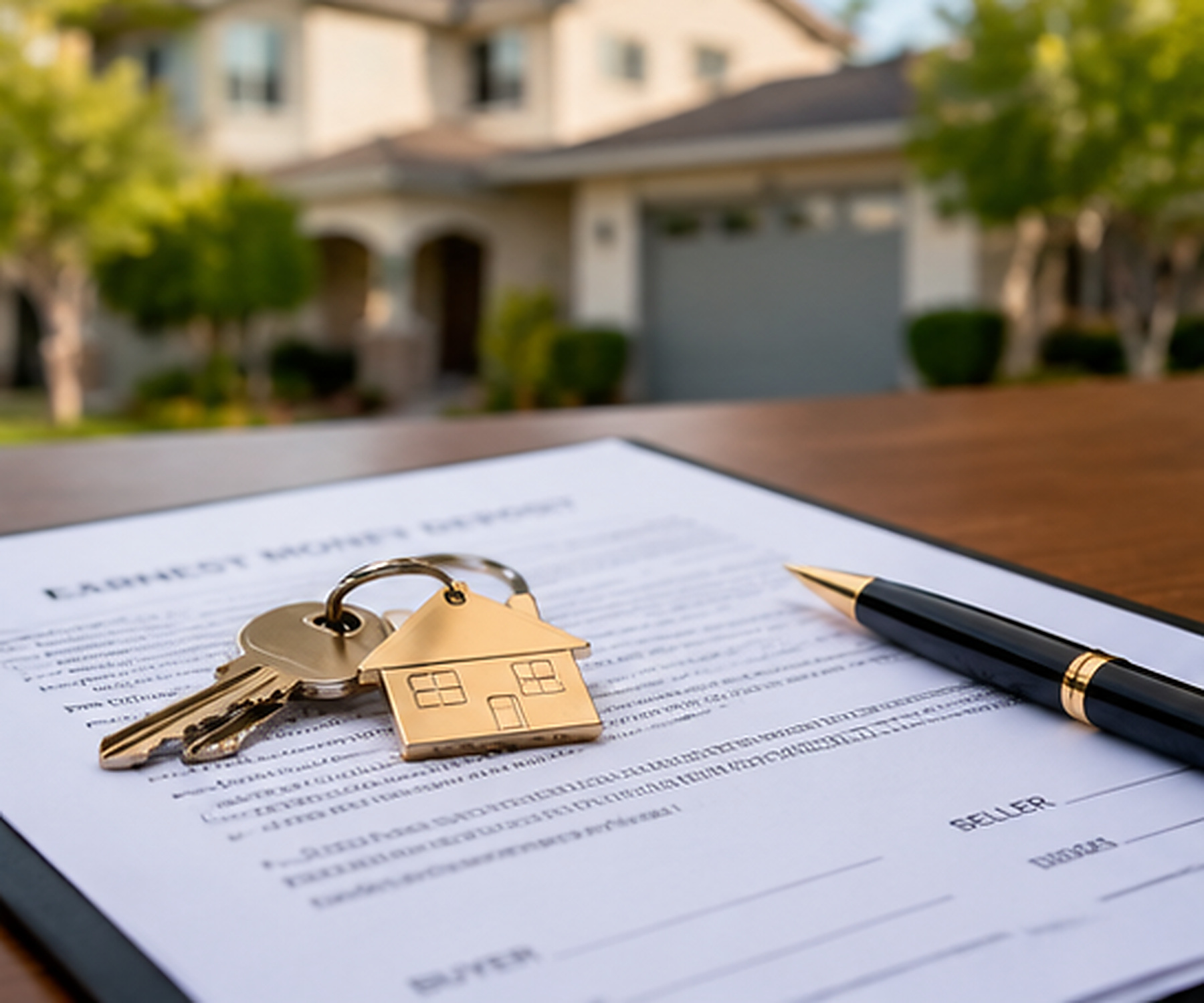
An earnest money deposit is part of a buyer's commitment under a purchase agreement. It is generally held in escrow and credited toward the buyer's funds at closing. It is not an extra fee added to the purchase price. The key questions are how much you agree to deposit, when it is due, and what happens if the transaction does not close.
How much is typical?
Buyers often hear a range of 1 to 3 percent of the purchase price, but there is no universal required deposit for every California purchase. On a $1 million home, that range would be $10,000 to $30,000. The actual amount and delivery deadline are set by the contract. A larger deposit is not automatically a better strategy.
Protecting the transfer
Follow the escrow instructions and independently verify any wiring information by calling a trusted number. Fraudulent messages can impersonate real estate professionals and request a change in payment details. Never rely solely on a last minute email or text when transferring substantial funds.
What contingencies mean
Inspection, appraisal, and financing contingencies can provide contractual cancellation rights, but the precise language, notices, and deadlines matter. Deposits are not automatically refundable whenever a buyer changes their mind. Removing a contingency can increase risk. Review each proposed waiver carefully and get qualified advice before signing.
Understanding California's 3 percent rule
California Civil Code section 1675 addresses liquidated damages clauses in qualifying residential purchases, generally involving one to four units intended for the buyer's residence. An otherwise compliant provision involving no more than 3 percent of the purchase price is generally valid unless shown to be unreasonable. Amounts above 3 percent are governed by a different standard and are not automatically forfeited or automatically refunded. Other statutory requirements and exceptions apply. It is inaccurate to say a seller always keeps exactly 3 percent.
A thoughtful offer
I want buyers to understand their deposit, deadlines, financing, and contingency terms before making a commitment. If a deposit is disputed, escrow may need agreement or legal resolution before releasing funds. A California real estate attorney should address specific legal disputes. My role as a realtor is to help you prepare and ask the right questions before the offer goes in.
Resources
Dominique Duncan-Nelson, Realtor, The Rise Team at Real Brokerage, CA DRE 02248338. Phone: 818-296-6896 and 818-873-5128. Website: dommydom.com.
Encino statistics are tied to September 2026 and should be refreshed when updated. Insurance and legal guidance depend on current terms and individual circumstances.