
California’s SB 326 balcony inspection requirements can reveal repairs that an HOA’s reserves cannot cover. Those costs may become special assessments for owners. Combined with condo lending changes and insurance requirements, the association’s condition and financial health deserve as much attention as the unit itself.
What SB 326 actually requires
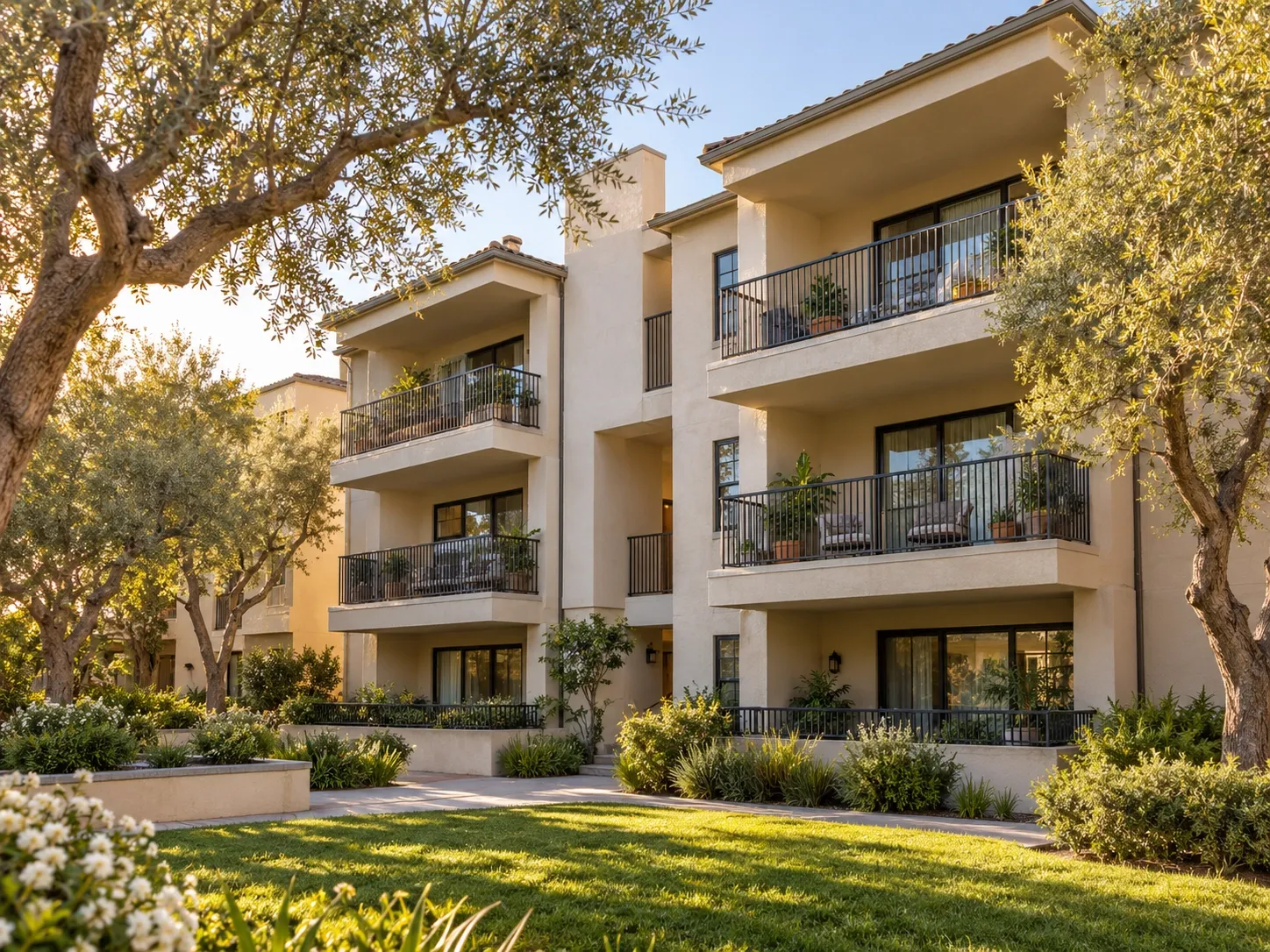
SB 326 applies to qualifying exterior elevated elements in condominium buildings with three or more units: balconies, decks, stairs, and walkways more than six feet above ground that rely substantially on wood or wood-based load-bearing supports. The inspection addresses supporting components and associated waterproofing, rather than simply how a balcony looks.
The initial inspection deadline for covered condominium associations was January 1, 2025. Subsequent inspections are required at least every nine years. This is different from the separate apartment-building inspection law, SB 721.
A licensed architect or structural engineer evaluates a statistically significant sample. The inspection method depends on the conditions; opening walls is not automatically required in every inspection. Reports document findings and recommended repairs. Safety concerns can require restricted access and prompt action.
The special assessment shock
When reserves fall short, owners may face a special assessment to pay for repairs. LS Carlson Law reports assessments of $40,000–$60,000 per unit in some affected communities. That is a reported range, not a statewide average or a prediction for every building.
The monthly dues on a listing never tell the whole story. As a hypothetical comparison, a $450 monthly HOA payment with a possible $50,000 assessment could present a very different financial commitment from $700 monthly dues in an association with funded repairs and healthy reserves. Compare the documents and planned work, not just the advertised payment.
Fannie Mae changed the lending review in August 2026
Fannie Mae retired its Limited Review process for loan applications dated on or after August 3, 2026. Lenders must use the applicable remaining project-review pathway or a permitted waiver. Depending on the project and loan, that can mean closer review of the association’s finances, repairs, insurance, litigation, and other eligibility requirements.
A project that is ineligible for Fannie Mae financing can limit a buyer’s lending options. It does not mean every possible conventional or portfolio loan is unavailable. Ask the lender to confirm the specific building’s eligibility early.
For applications dated on or after January 4, 2027, the standard minimum reserve allocation under Full Review increases from 10% to 15% of annual budgeted assessment income. A qualifying reserve-study alternative may apply. This budget allocation is different from a reserve study’s “percent funded,” which compares reserve assets with estimated reserve obligations. Do not treat those two percentages as interchangeable.
Insurance can complicate a transaction
Condo financing also depends on acceptable project insurance. Coverage amounts, deductibles, exclusions, and policy terms can affect eligibility even when the buyer is financially qualified. Have the lender review the master policy early, alongside the inspection and financial documents.
What buyers should do
- Request the latest inspection report. Ask for the exterior elevated elements report and any repair or follow-up documentation. California’s Department of Real Estate identifies the report among common-interest development disclosures.
- Ask about assessments. Find out what is approved, proposed, or being discussed, what work it covers, and how payment responsibility will be handled in your contract.
- Read the reserve study and budget together. Look at planned projects, funding recommendations, and the association’s actual allocation.
- Review other project risks. Discuss delinquency, litigation, meeting minutes, and repair findings with the appropriate professionals.
- Confirm financing and insurance early. Your lender should assess the building, not only your personal loan application.
What sellers should do
Collect the HOA’s inspection report, repair information, budget, reserve study, insurance details, and assessment notices before listing. Unresolved questions can become renegotiations or delays once a buyer’s lender begins reviewing the project.
Explain documented facts clearly and work with your agent, HOA, lender, and qualified advisers to resolve gaps. A well-prepared disclosure package helps buyers understand the property’s full financial picture.
This is general real estate information, not legal or financial advice. Requirements and loan eligibility depend on the project and transaction; verify them with the HOA, lender, and a qualified professional.
Related reading
References
- California Civil Code §5551 — condominium exterior elevated element inspections
- California Department of Real Estate — common-interest development disclosures
- Fannie Mae — Lender Letter LL-2026-03, project standards and insurance updates
- Fannie Mae — Full Review process
- LS Carlson Law — reported special assessment ranges